

The nDanger City: Inside the Streets of Veridian
The name the streets use for Veridian City, and what it is like to live inside it.
Why they call it Danger City
Officially, this is Veridian City. The name is on the towers, the permits, and the letterhead of every company that owns a piece of the place. It was chosen to promise something, green and growth and a fresh start built on the wreckage of old California. Nobody on the street uses it. Down where people actually live, the city goes by the name it earned. Danger City.
The official name is a promise. The street name is what showed up instead. The distance between the two is the city itself.
Built on the ruins of California
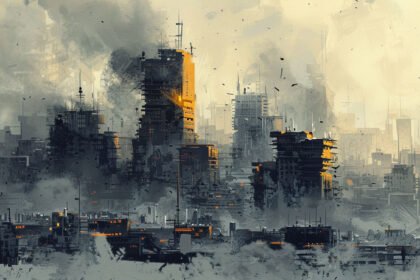
Danger City did not rise on empty ground. It stands on the bones of the old California coast, roughly fifty years after the Great Collapse took the state apart. The Collapse was not a war or a rogue machine. It was the weather and the wiring giving out together, a fire season that stopped ending, a water system stretched past breaking, and an automated grid too complex to repair by hand, all failing at once. What crawled up out of that ruin named itself Veridian, after everything verdant and hopeful. The people who had to live in it renamed it soon enough.
The gap it runs on
The first thing to understand about the city is that wealth and poverty do not merely sit side by side here. They hold each other up. The glass of the Core stays clean because someone in the Fringe is paid badly to keep it that way. A penthouse looks down on a block of single-room hotels, and both are full. The hour that closes a deal worth more than a district earns in a year is the same hour a woman three miles downhill is deciding which bill she can skip.
None of this is hidden. The duality is not a secret the city keeps. It is the arrangement the city runs on.
Who really runs it
Most people here could not tell you who runs the place, and that is by design. The official leadership lives in the Core and is felt far more than it is ever seen. Below it, the real machinery is private. Corporations own the favors. The Watchdogs, the city’s militarized police, collect them. Legal and illegal blur together until the only dependable law is whatever money decides this week.
Under all of it runs the shadow economy, the trade in everything the daylight market will not touch. It is not a dark corner of the city. It is the floor the rest of the city stands on.
The City of Dolls
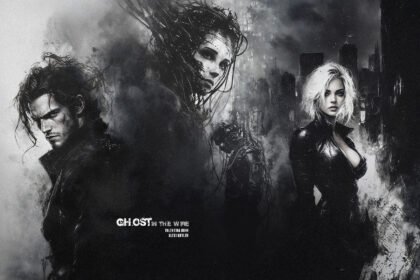
The most visible life in Danger City belongs to the Dolls. Sex work is legal here, lightly regulated, badly taxed, and protected only when protection turns a profit. The women who do it are called Dolls, a word that began as an insult and got taken back, worn now on purpose. They are not a union and not a sisterhood that saves anyone, just a loose network of women who watch each other’s corners and pass down the rules that keep each other alive a little longer.
If Danger City has a heart, it beats where the Dolls work, and in the one Fringe bar where, for an hour, they are allowed to stop.
The other lives
The Dolls are not the only people who built something out of the gaps. The Fringe is full of them. Artists who turned dead warehouses into studios and stages. Traders who move the goods the official market refuses. People who grow food on the roofs of abandoned buildings because the supply lines never fully came back. The city invited none of them. They made lives in it anyway, and that refusal to disappear is the most alive thing about the place.
One city, three zones
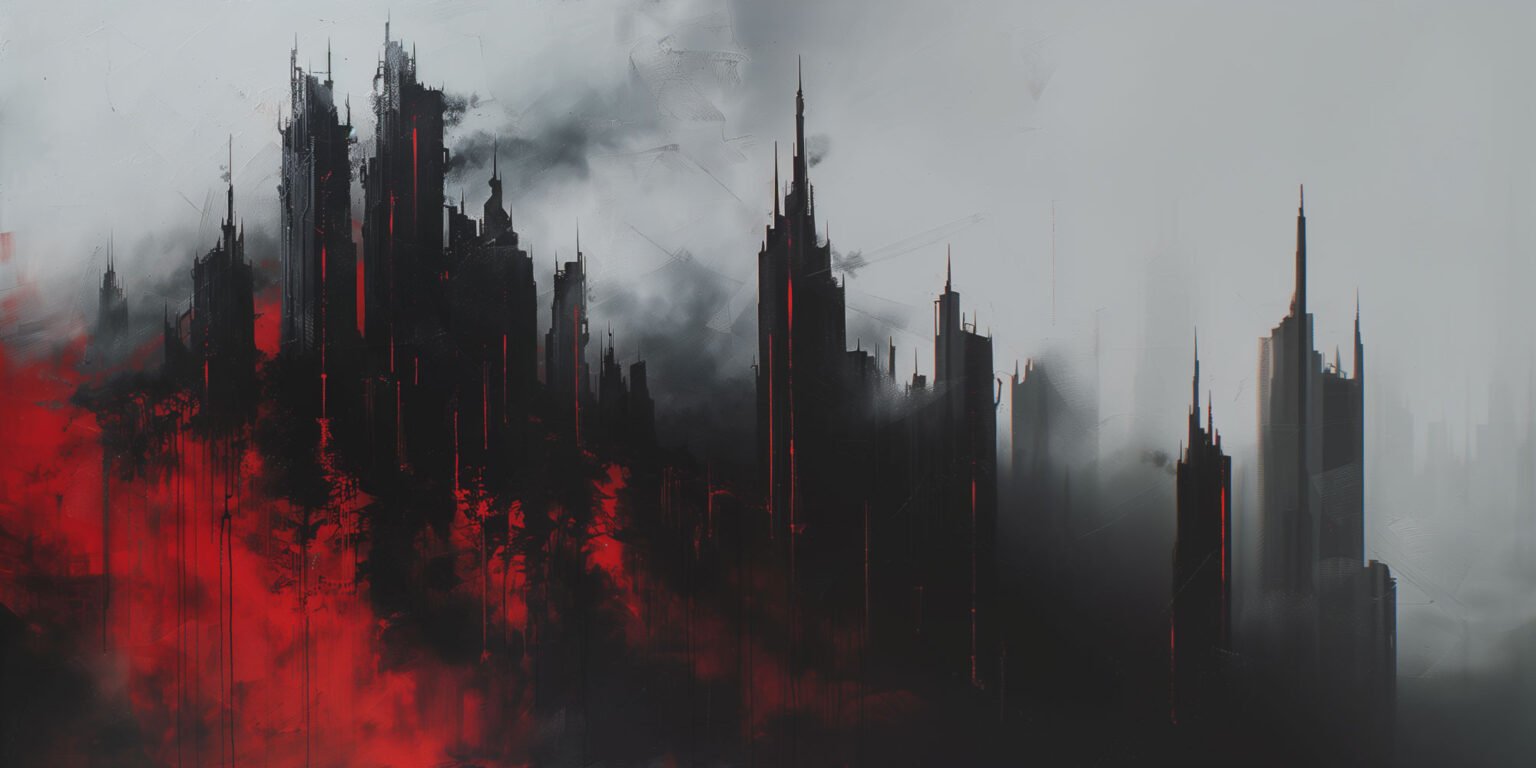
The city stands in three bands, and people speak of them like directions. The Core is the high ground and the money, lit first after the Collapse and never dark since. The Fringe is the working flats below it, where most lives are lived and where most of these stories happen. The Edge is the boundary where the rebuilt city gives out and the ruins begin. Past the Edge lies the Wilds, the open land the corridor never reclaimed at all.
The grids came back unevenly, and the city split along the line between who got the light and who waited for it. Where a person sleeps tells you what kind of life they are having before they say a word.
What it feels like
Danger City feels current, even though it is not the future anyone was promised. Recovered technology sits in the same hand as the analog that outlasted it, a holographic sign above a payphone still bolted to the wall, a drone overhead and a paperback below. The Core’s power never drops. The Fringe’s grid fails twice a week, and everyone plans around it. The place reads less like tomorrow and more like somewhere that got knocked down, climbed most of the way back up, and still favors the leg that never healed right.
The stories it tells
Underneath the plot, Danger City is about one thing: the cost of being wanted in a place that treats wanting as a transaction. Its stories are about people who are lonely in a crowd, who came chasing a better life and found the city indifferent to whether they got one. They are about crime and corruption, about love that is never sure it can save anyone, about survival that is not the same thing as healing, and about people remaking themselves because the city leaves them no other way through.
Danger City does not punish its villains or rescue its dreamers. What it offers instead is the one thing the brochures never could: an honest look at what it costs to live here.
Explore the world
The Paradise Drugs of Danger City
The Three Zones of Danger City
The Edge